
Beagle Grooming Guide: Coat, Ears, Nails and Calm Handling
A manageable grooming routine for a short-coated Beagle, with gentle handling, useful tools and clear limits on what to do at home.
6 min read
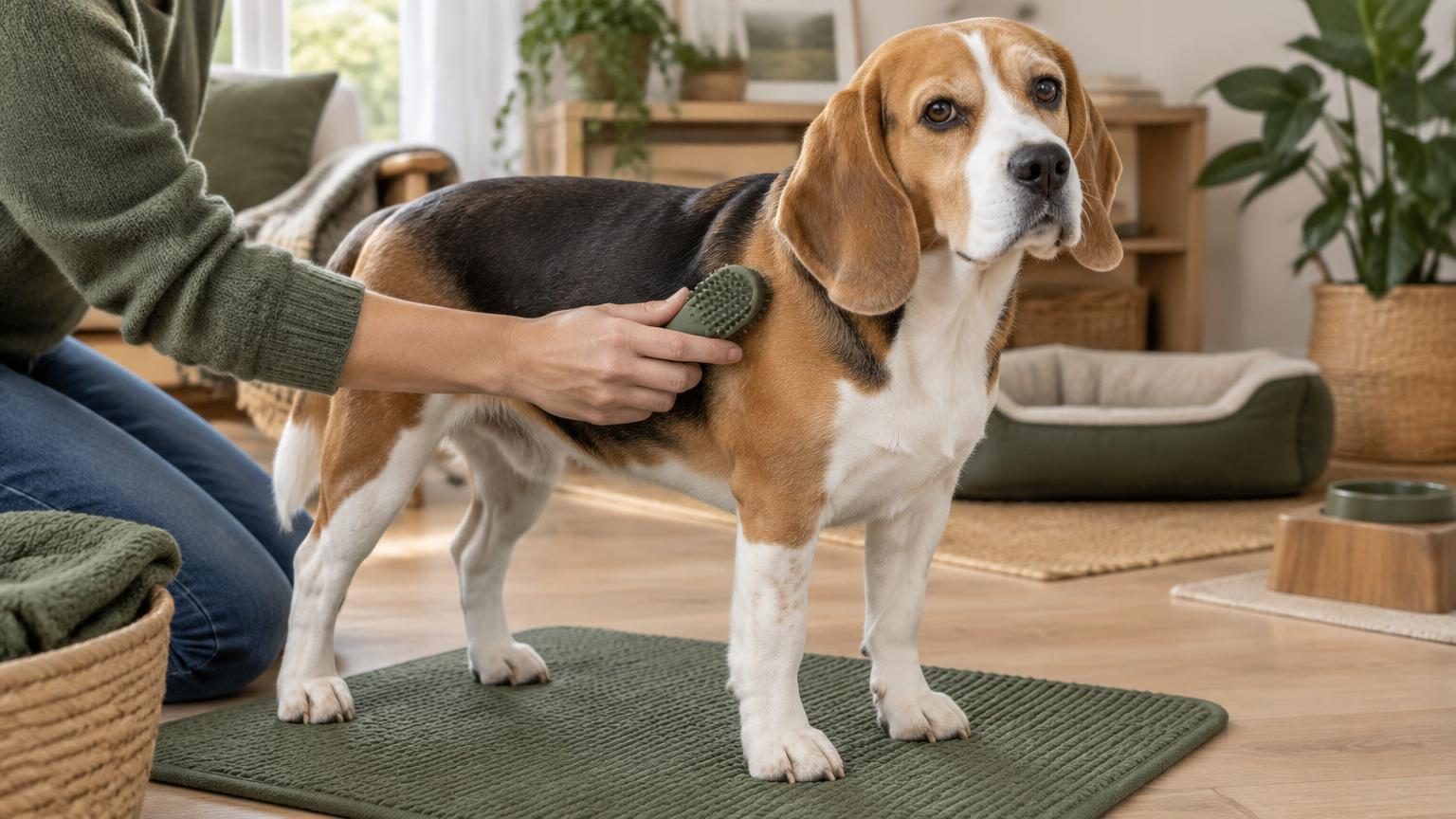
Short coat does not mean no grooming
A Beagle does not usually need elaborate coat styling, but a short coat still sheds and picks up dirt on sniff walks. Grooming is also a chance to notice changes, practise comfortable handling and check equipment contact points. A manageable routine beats an ambitious session your dog learns to avoid.
The American Kennel Club describes Beagles among dogs with less extensive grooming needs, while stressing that care varies with coat and lifestyle. Use the steps below as an adaptable household routine, not a rigid treatment schedule. For the wider picture of meals, walks and rest, see the complete Beagle care guide.
Prepare a small, useful grooming kit
Choose a soft brush intended for short coats, dog shampoo, clean towels and a nonslip mat. A rubber grooming tool may suit some dogs; test gentle pressure on a small area rather than assuming a tool is comfortable because it is marketed for shedding. Avoid aggressive scraping or repeated passes over one patch.
Keep tiny rewards ready and put tools out of reach between sessions. Nail tools and any ear-care product should be selected with help if you are inexperienced. A comb, several shampoos and powerful drying equipment are not automatic essentials. Our new puppy supplies checklist separates useful basics from purchases that can wait.
Teach handling before attempting the whole job
Work on the floor or another secure, nonslip surface. Let your Beagle inspect the brush, reward calmly, and try one brief stroke on the shoulder. Pause before asking for more. You might finish the first session after a handful of comfortable strokes rather than brushing the entire dog.
A dog who turns away, stiffens, repeatedly licks its lips or tries to leave may need an easier step. Stop and reconsider; do not pin the dog down to finish. Practise touching a paw or lifting an ear separately from cleaning and trimming. The reward-based approach in our puppy training guide applies to adult handling too.
Brush gently and adjust to the coat
Follow the direction of hair growth with light pressure. Start where your dog is comfortable, then work over the back and sides. Be especially gentle around the belly, legs and any sensitive area. Remove collected hair from the brush so you are not dragging it back across the coat.
Use an initial regular check-in to learn how much loose hair your dog produces, then adjust brushing as needed. A muddy outing or heavier shedding may change the routine. The aim is a clean, comfortable coat, not removal of every loose hair. New bald patches, sore skin or marked changes in shedding deserve a veterinary conversation rather than a stronger tool.
Bathe when needed, not to meet a calendar
A wipe of muddy paws and a brush may be enough after an ordinary walk. When a bath is appropriate, prepare towels first, use comfortably lukewarm water and a dog-specific shampoo according to its instructions. Give your dog stable footing and keep the session calm.
Avoid directing water or shampoo into ears and eyes, rinse thoroughly, and towel dry gently. Keep the dog comfortably warm while drying. A persistent smell, itch or greasy coat is a reason to ask your vet what is happening, not to repeatedly mask the problem with shampoo. Do not use medicated products without appropriate guidance.
Check ears without turning inspection into treatment
Look at the visible ear opening and notice changes from your dog’s normal appearance. Redness, discharge, a new strong smell, head shaking or discomfort are reasons to contact your vet. Long ear flaps are not a reason to clean aggressively or insert objects into the ear canal.
Ask your veterinary team whether your individual Beagle needs routine cleaning and have them demonstrate the method and suitable product. Do not use cotton buds inside the canal or improvise with household liquids. If the ear seems painful, stop handling it and seek advice rather than attempting a home diagnosis. The health concerns overview explains why changes need professional assessment.
Nail care depends on growth, wear and confidence
Inspect nails and watch how your Beagle stands and walks. Growth and wear vary with the dog and walking surfaces, so a universal trimming interval is not useful. Clicking on a floor can prompt a closer look, but it does not tell you exactly where to cut.
Ask a groomer or veterinary professional to show you safe trimming for your dog, especially with dark nails or if you cannot identify the sensitive tissue. Start by rewarding comfortable paw handling. If you do trim, take only small amounts within the method you have been taught and stop if the dog struggles. A damaged nail, bleeding that does not stop, limping or a painful paw needs professional advice.
Use grooming to check walking gear and comfort
After removing the harness, check the coat and skin at strap contact points. Look for rubbing, trapped debris or tender areas. Clean and dry walking gear according to its care instructions before using it again. A neat coat cannot compensate for equipment that repeatedly rubs.
If your Beagle dislikes brushing in one specific place, consider whether touching it hurts rather than calling the dog stubborn. Avoid brushing directly over irritated skin. Our harness fitting guide covers checking fit while standing and moving; your vet can assess soreness or unexplained sensitivity.
A flexible routine for an ordinary week
Use a short check after walks for mud, debris and obvious discomfort. Set aside a calm brushing opportunity when the dog is rested, not immediately after exciting play. Include gentle visual ear and nail checks, and arrange help for jobs you cannot perform comfortably.
For example, a Beagle who enjoys shoulder brushing but pulls away during paw handling can have coat care completed now and practise one easy paw-touch later. That is useful progress, not a failed grooming session. Record unfamiliar changes and when you first noticed them so you can describe them accurately if you need advice.
- Keep sessions brief enough for your dog to remain comfortable.
- Match brushing and bathing to actual coat condition and lifestyle.
- Ask for a demonstration before unfamiliar ear or nail procedures.
- Stop for pain, marked fear or skin changes; do not force the task.
Know when a professional is the better choice
A groomer can help with technique and routine maintenance; a veterinarian is the right starting point for painful ears, skin problems, unusual lumps or changes in movement. Tell the professional what your dog tolerates and what makes it uncomfortable. Ask how they support fearful dogs rather than assuming faster handling is kinder.
This is an educational grooming guide, not a diagnosis or treatment plan. Professional help is part of good care, not a last resort. The best routine leaves your Beagle clean enough for its lifestyle and willing to participate next time.
Frequently Asked Questions
How often should I brush a Beagle?
Let coat condition, shedding and your dog’s comfort guide the frequency. Start with a manageable regular opportunity and adjust; frequent gentle sessions can be easier than one long session.
Do Beagles need haircuts?
Their short coat generally does not require routine styling. Ask a professional before clipping or shaving; do not treat coat removal as a shortcut for shedding or hot weather.
Should I clean my Beagle’s ears every week?
Not automatically. Inspect for changes and ask your vet whether cleaning is appropriate for your dog. Pain, discharge or a new strong smell need assessment rather than more cleaning.
What if my dog refuses nail trimming?
Stop before restraint becomes a struggle. Practise easy handling separately and ask a groomer or veterinary team for help with a comfortable plan and safe technique.
References
Related Articles

The Complete Beagle Care Guide for Beginners
What daily life with a Beagle really involves — temperament, exercise, feeding, grooming, training, home safety and vet care — plus the mistakes new owners make most often.
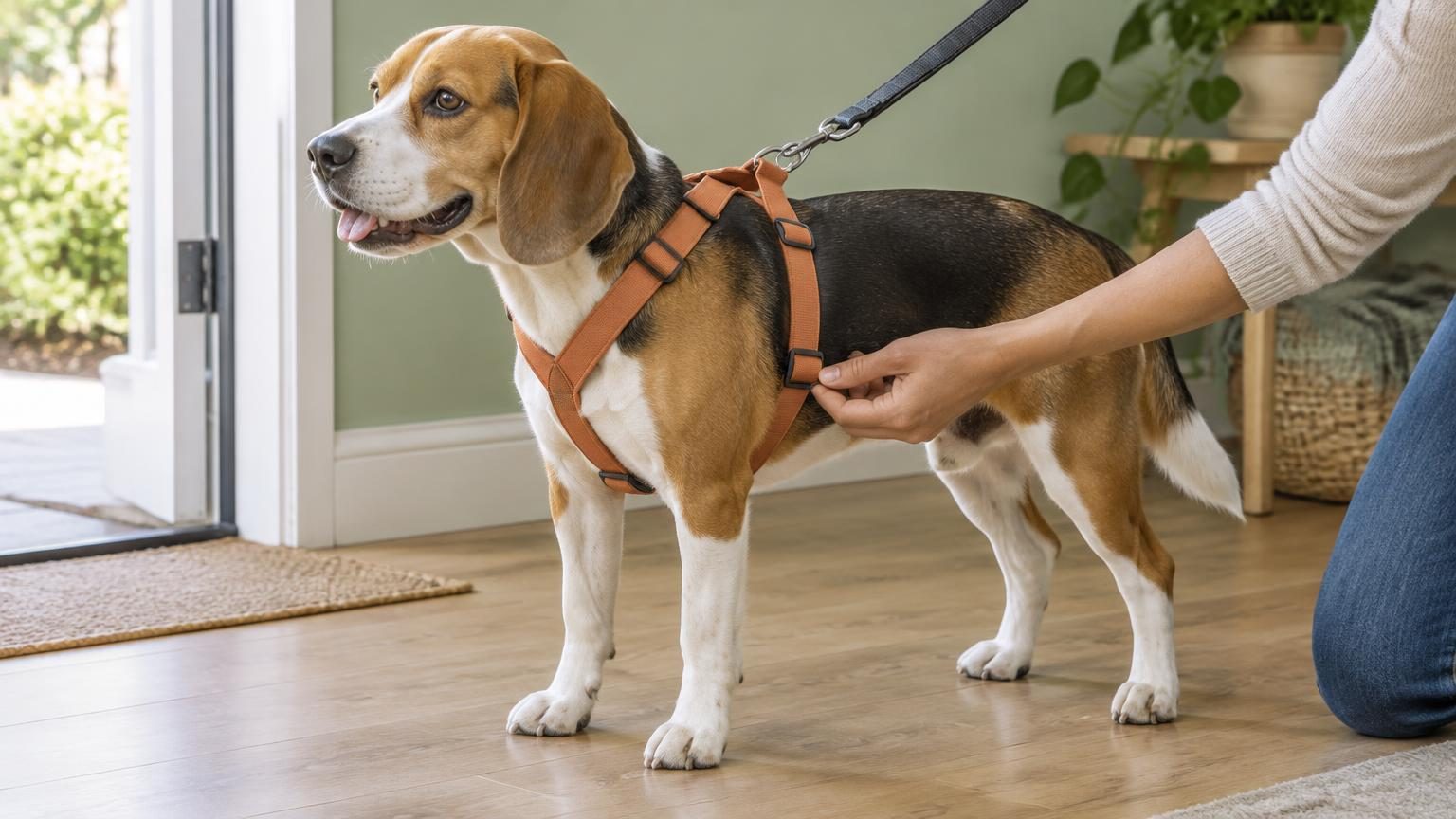
Best Types of Harnesses for Beagles: A Fit and Safety Guide
Compare walking harness features and check fit on a nose-led Beagle, without brand rankings, testing claims or promises that equipment will stop pulling.
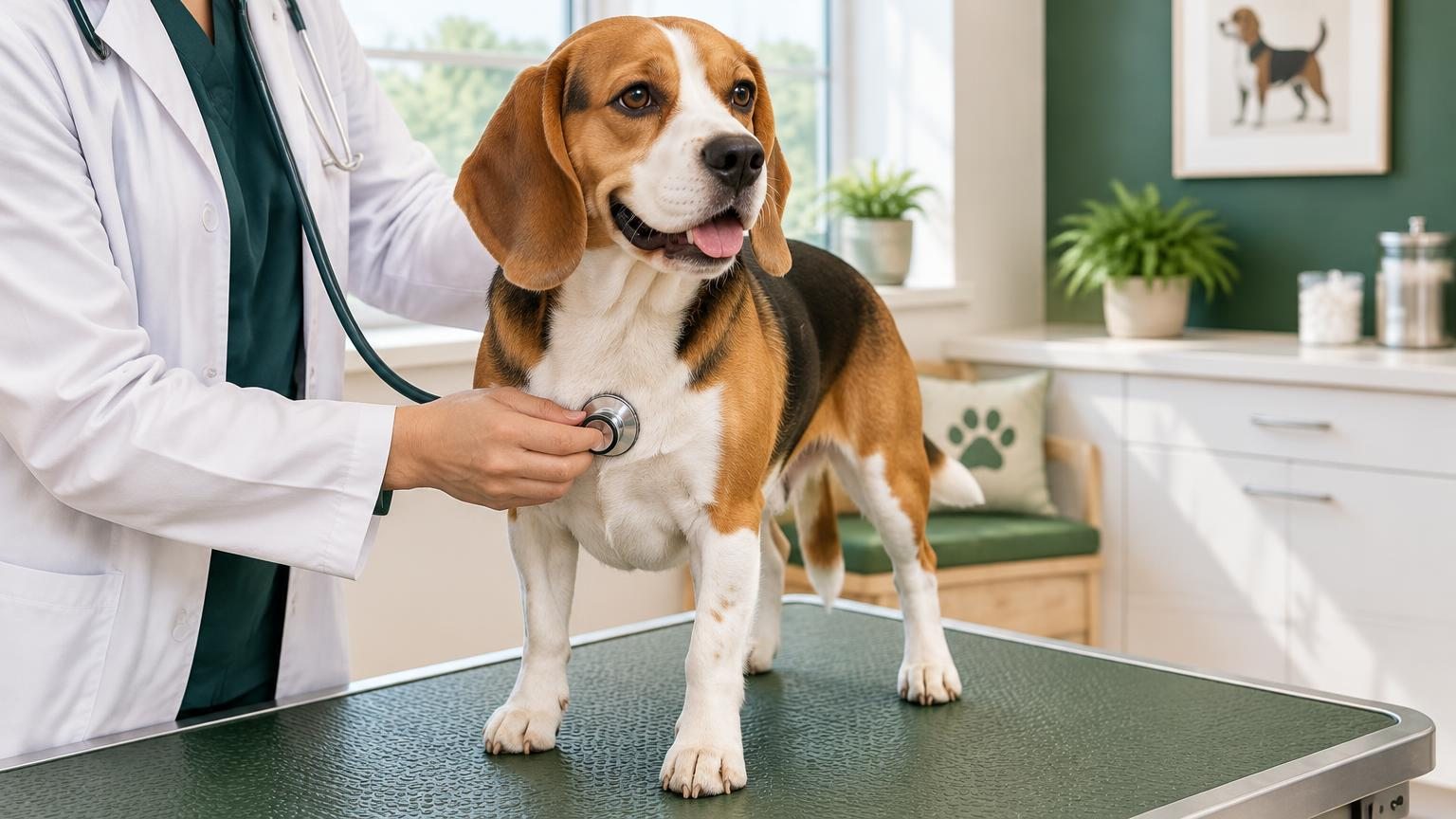
Common Beagle Health Concerns: What Owners Should Notice
Understand health topics discussed for Beagles, keep useful observations and know when veterinary assessment matters, without trying to diagnose your dog at home.