
How to Potty Train a Beagle Puppy: A Practical Routine
Build reliable toilet habits with well-timed outings, immediate rewards and a routine that adapts to your individual Beagle puppy.
6 min read
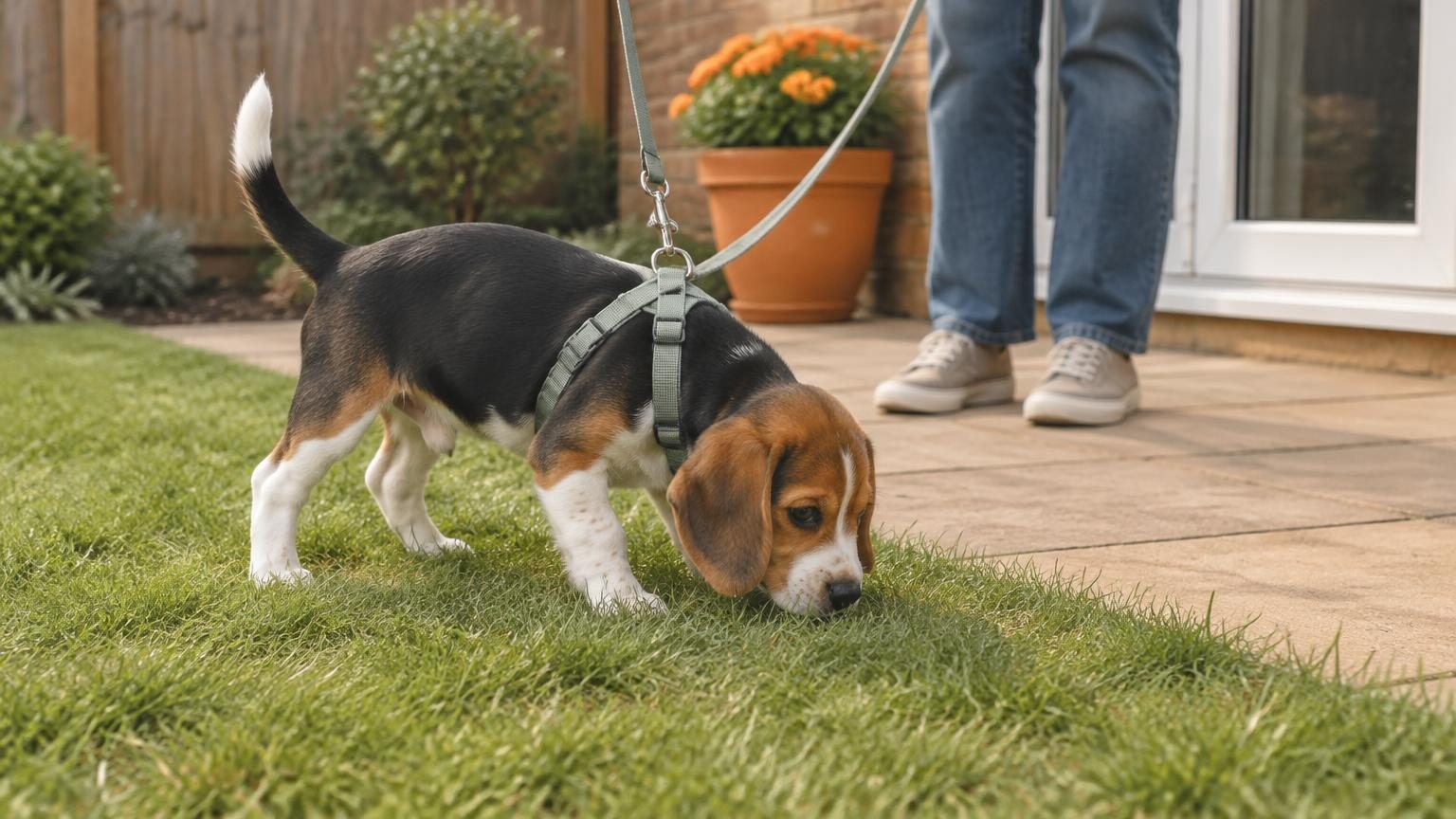
Teach the location instead of waiting for a signal
Potty training is a habit-building process, not a test of obedience. Your Beagle puppy is learning where to go while developing the ability to wait. A promising morning does not mean they are ready to manage the whole afternoon without help.
A Beagle’s nose can make outdoor trips wonderfully interesting and occasionally distracting. Choose a simple toilet spot, keep the outing calm and reward the actual result. Combine this routine with reward-based puppy training, but do not expect a puppy who can sit for a treat to have adult bladder control.
Prepare your exit route and toilet area
Keep a harness, leash, waste bags and rewards ready near the door. Pick a nearby area you can reach quickly in normal weather. If your puppy is not fully vaccinated, ask your vet which places are suitable given local disease risk. A private space is not automatically risk-free, and a busy shared dog area may be unsuitable.
If stairs, lifts or a long hallway delay access, plan the route before you need it. A designated indoor toilet surface may be a practical temporary option when safe outdoor access is unavailable. Keep it clearly separated from bedding and food, and understand that moving from an indoor surface to outside involves teaching a new location.
Offer trips around events, not a universal clock
Start by offering a toilet opportunity after waking, eating or drinking, active play and before settling for the night. Also watch between these events: circling, suddenly disengaging, searching the floor or heading away from you can be useful clues. They are not a complete diagnostic checklist.
There is no single interval that suits every puppy. Keep a short record of meals, naps, successful trips and accidents. If accidents regularly happen shortly before your planned outing, move the outing earlier. Do not follow a formula that asks the puppy to wait longer than they can manage.
| When | What to do | What to watch |
|---|---|---|
| After waking | Go straight to the toilet area | Do not delay for greetings or play |
| After meals or active play | Offer a calm toilet trip | Timing varies; use your own log |
| During awake indoor time | Supervise and respond to cues | Searching, circling or moving away |
| Before bed and overnight as needed | Keep outings quiet and brief | Do not expect adult control immediately |
Reward after the puppy finishes
Go out with your puppy rather than letting them into the garden alone. Stay nearby without distracting them. Once they finish, calmly mark the success and give a small reward there, before going back indoors. Rewarding only at the kitchen door may teach returning home rather than toileting outside.
If you want a toilet cue, quietly say the same phrase as they begin, then reward completion. Avoid repeating it urgently when nothing is happening. After a successful trip, a little sniffing or relaxed play can be a useful bonus. Always ending the outing immediately may encourage a puppy to delay so the interesting part lasts longer.
When the puppy sniffs but does not go
Keep the outing low-key and give them an opportunity without dragging them around the garden. If nothing happens, return indoors, supervise closely and offer another chance soon. Do not assume that a few minutes outside means they cannot need the toilet now.
For example, a puppy might watch a bird outside, then urinate on the rug after returning. That suggests the trip was distracting or poorly timed, not deliberate defiance. Choose a quieter spot next time and stay attentive indoors.
Supervision prevents rehearsing accidents
When awake indoors, keep your puppy in a manageable area where someone can actually watch. Close doors to spare rooms and use barriers appropriately. Being in the same house while answering calls is not the same as supervision.
A comfortable pen or positively introduced crate can help during suitable short rest periods, but confinement is not a way to force a puppy to hold on. Provide timely trips and company. If using a larger pen when you cannot provide immediate outdoor access, plan a separate appropriate toilet area rather than expecting the bed to serve both purposes. See our new-puppy supplies checklist for practical setup choices.
Handle accidents quietly and change the plan
If you notice your puppy beginning, calmly offer access to the toilet area if you can do so without frightening them. If the accident is already over, simply clean it. Shouting, rubbing a puppy’s nose in it or punishing later does not explain the right location and can make toileting near you feel unsafe.
Use a pet-safe cleaner suited to the surface and follow the label. Keep the puppy away while cleaning. Then ask a useful question: was there a missed waking trip, too much unsupervised space or an outdoor outing that did not succeed? Changing the setup helps more than blaming the puppy.
Make overnight care predictable
Offer a final calm trip before bed and have a plan for overnight needs. Young puppies may need help during the night; do not promise a particular sleeping-through age. Keep the route and equipment ready so an outing does not become a lengthy game.
After toileting, return to the resting area quietly. Do not restrict normal access to drinking water simply to avoid cleaning unless your vet has given individual medical advice. If you are unsure whether restlessness reflects toileting, fear or discomfort, observe carefully and seek help rather than assuming every sound should be ignored.
Troubleshoot patterns without starting over
A useful training log records what happened, not whether the puppy was “good.” Note the time, what preceded it, location and whether a reward followed. A pattern of accidents after energetic play points to an extra outing; accidents in one quiet room may point to access you have expanded too quickly.
When moving the toilet spot or transitioning away from pads, make the new place easy to reach, supervise closely and reward there. Expect some adjustment. If progress slips after a move, schedule change or exciting visitors, temporarily restore closer supervision and more opportunities rather than adding punishment.
Know when a vet should check the problem
House training advice cannot diagnose urinary or digestive problems. Contact your vet for sudden regression, frequent small urinations, discomfort, blood, persistent diarrhoea or other changes that concern you. Straining with little or no urine needs urgent veterinary attention.
A puppy who was consistently reliable and then changes deserves observation, not a label of stubbornness. Share your log with the vet. For the wider daily routine, use the complete Beagle care guide; for meals, consult the puppy feeding guide alongside individual veterinary advice.
Frequently Asked Questions
How long does potty training take?
It varies with age, health, access, supervision and previous habits. Look for improving patterns over time rather than a guaranteed deadline; no universal timetable works for every puppy.
Should I punish an accident if I find it later?
No. Clean it and adjust supervision or outings. A delayed punishment does not teach the intended toilet location.
Are pads always a mistake?
No. They can be practical when suitable outdoor access is limited. Keep the location consistent and plan to teach outdoor toileting separately if that is your eventual goal.
Why does my puppy go inside after a walk?
They may have been distracted or the timing may not have suited them. Watch closely after an unsuccessful trip and offer another calm opportunity; speak to your vet if the pattern suggests discomfort or illness.
References
Related Articles
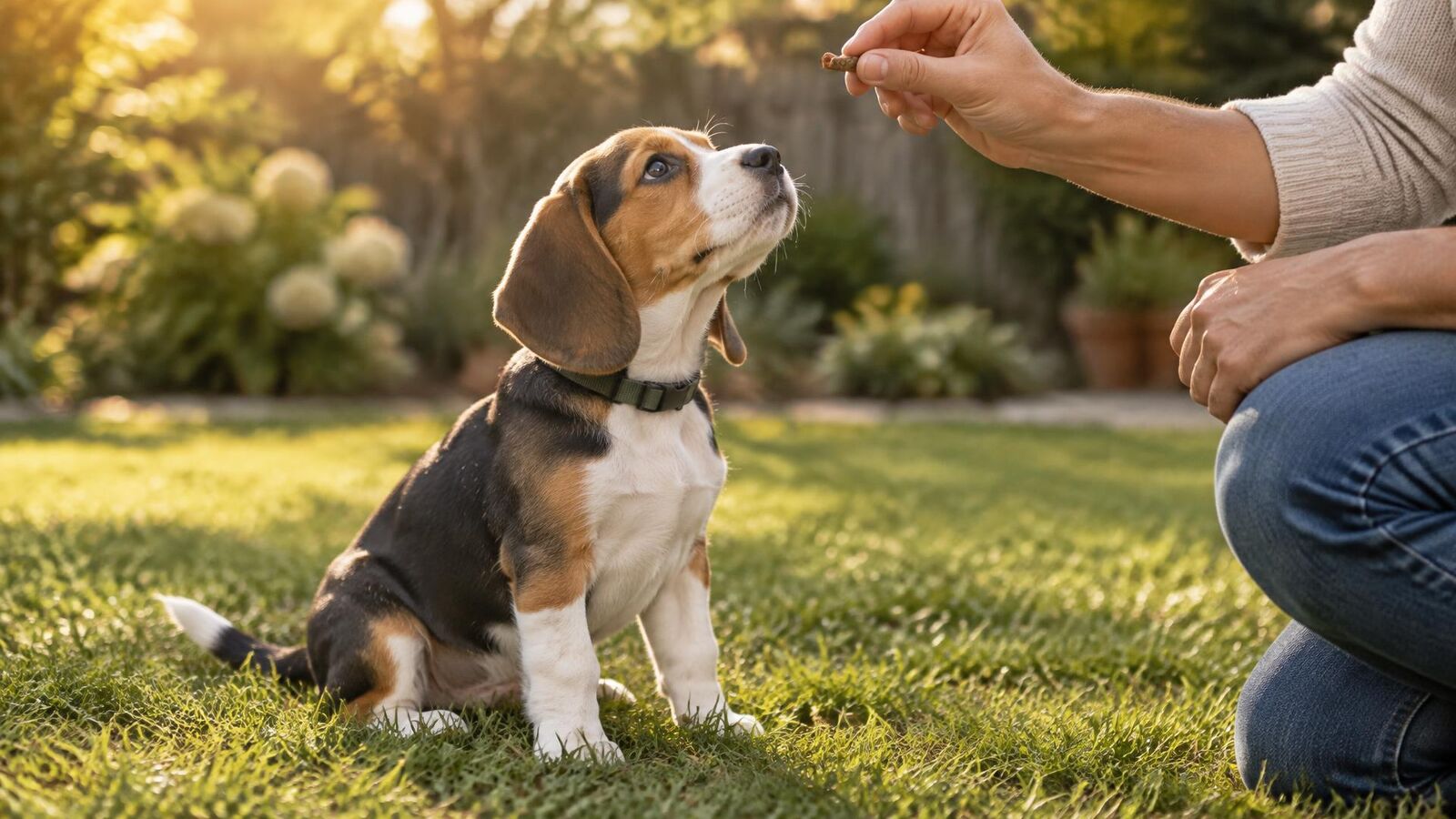
How to Train a Beagle Puppy: Step-by-Step
A calm, reward-based plan for name recognition, recall, basic cues, potty routines, leash manners and socialization — with a sample daily schedule built around a Beagle's nose.
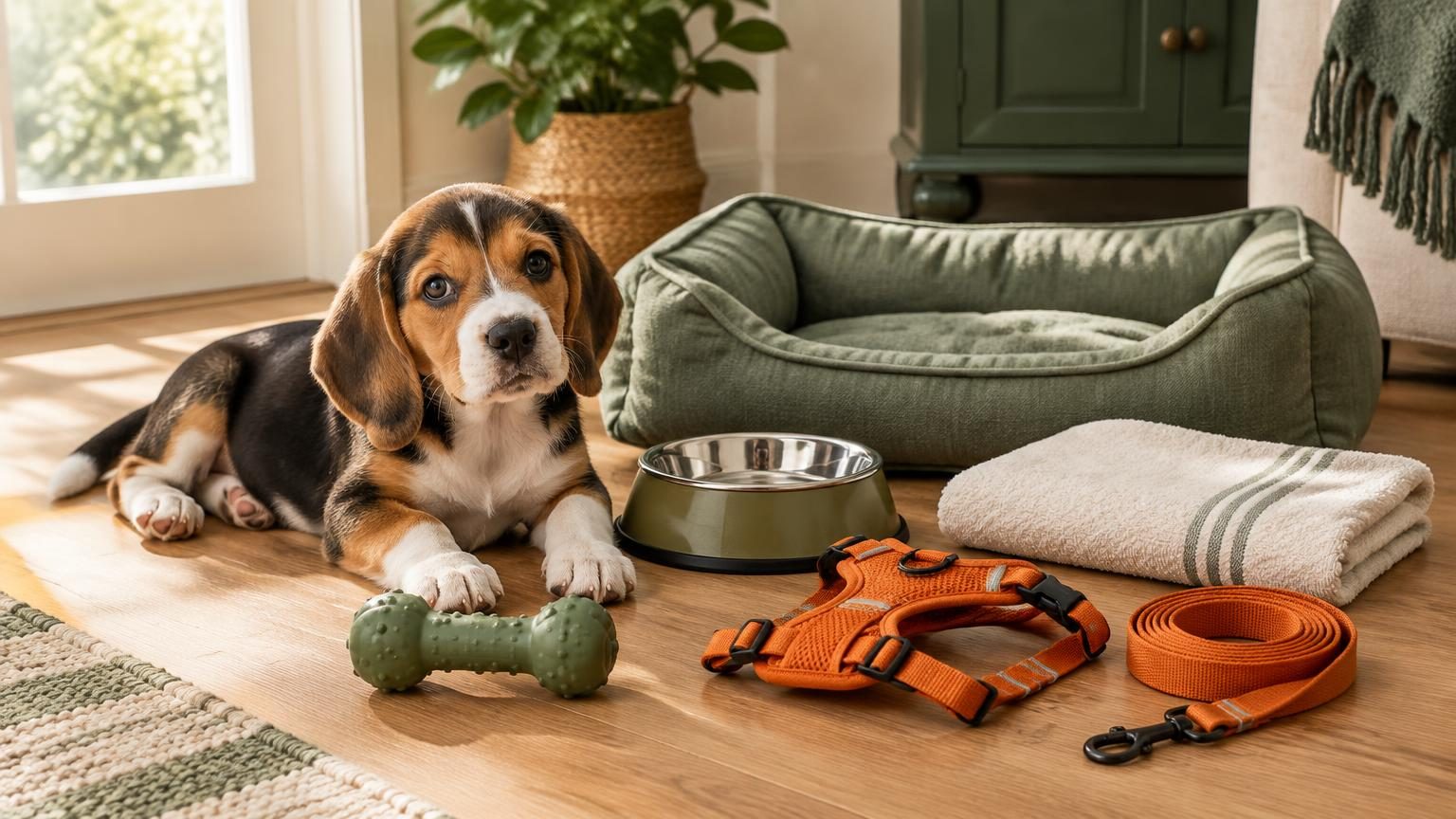
Essential Supplies for a New Beagle Puppy
A practical first-week checklist: secure your home, choose comfortable basics and spend on what your nose-led puppy actually needs.
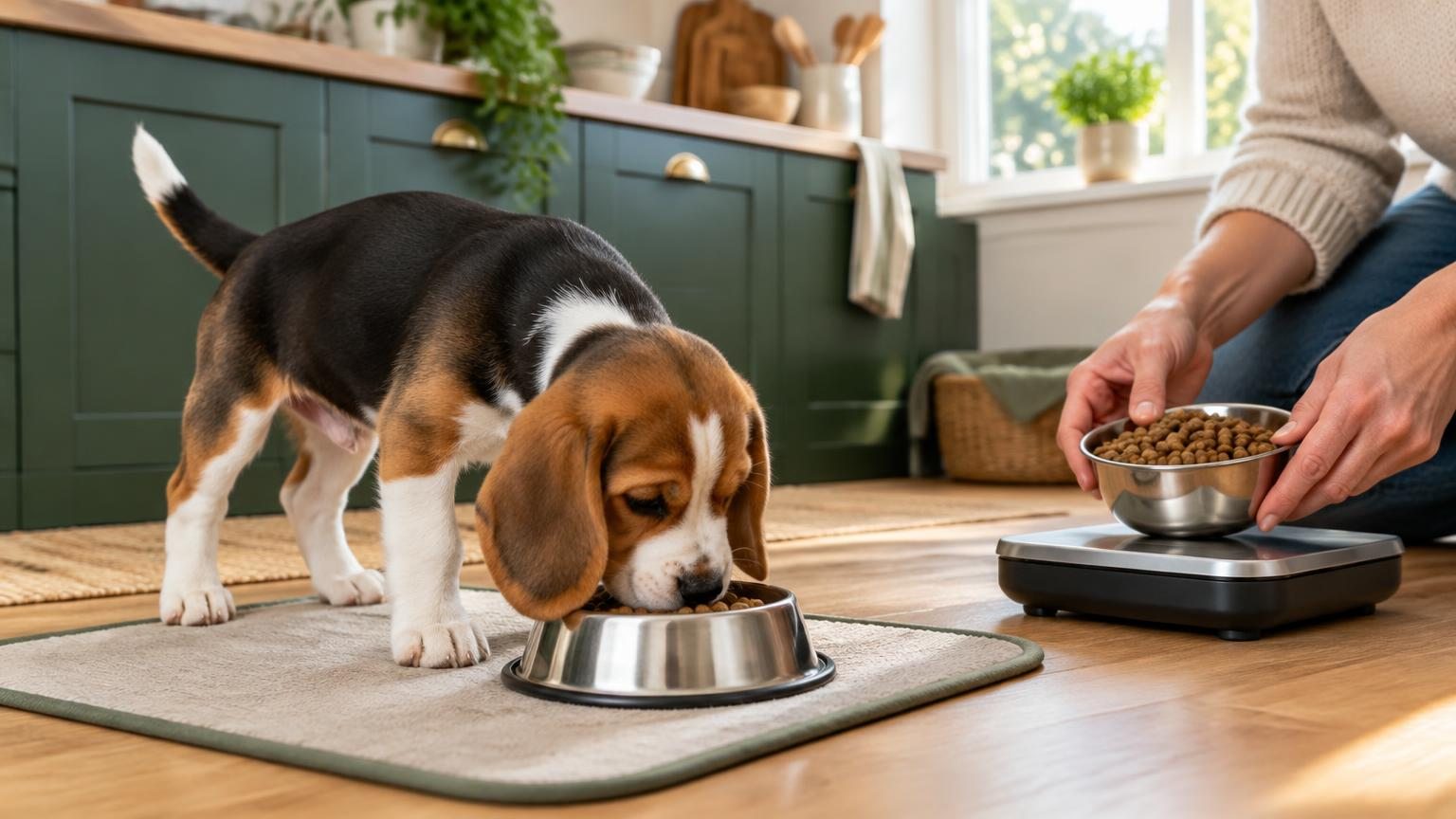
Beagle Puppy Feeding Guide: Meals, Portions and Healthy Growth
Choose a complete growth diet, measure meals and build a practical feeding routine for a food-curious Beagle puppy, with veterinary guidance for individual needs.