
How Much Exercise Does a Beagle Need? A Practical Activity Guide
Plan walks, sniffing, play and rest around your Beagle’s age, health and response, rather than chasing a universal daily exercise target.
6 min read
Veterinary review has not been verified. This article is educational only and not a substitute for professional veterinary advice.
There is no single daily quota for every Beagle
Beagles are scent hounds, and many enjoy exploring outdoors, but breed alone cannot tell you how far or how long your dog should walk. A healthy adult, a growing puppy and an older dog with mobility limitations need different plans. Fitness, weather, excitement and recovery matter too.
Instead of treating an hour or a certain distance as a prescription, build a routine your dog handles comfortably and review it with your vet when health or life stage affects activity. This guide offers planning ideas, not medical clearance. The complete Beagle care guide places movement alongside food, training, company and sleep.
Think in terms of an activity mix
A useful day can include walking, controlled sniffing, short play, learning and quiet recovery. These activities do different jobs. A fast march may cover distance but leave little room to investigate; a scent game may occupy attention without providing the same physical activity as a walk.
VCA’s play and exercise guidance describes physical exercise, mental stimulation and social interaction as parts of play, with activities tailored to the individual dog. Our mental stimulation guide provides easy games to complement movement. Neither puzzles nor repeated high-energy play should be used to keep a dog busy all day.
Learn your adult dog’s comfortable starting point
Begin with the routine your Beagle currently tolerates, not a target copied from another owner. Note willingness to go out, pace, breaks and how the dog moves afterwards. If you are bringing home an adult whose fitness is unknown, start conservatively and ask your vet about suitable progression.
Split outings in ways that fit toileting needs and household life. A sample structure might be a relaxed morning exploration, a brief midday toilet break and another comfortable outing later. It is an example of organization, not a required duration. Leave space for rest and change the plan when your dog or conditions call for it.
Make sniff walks safe and genuinely exploratory
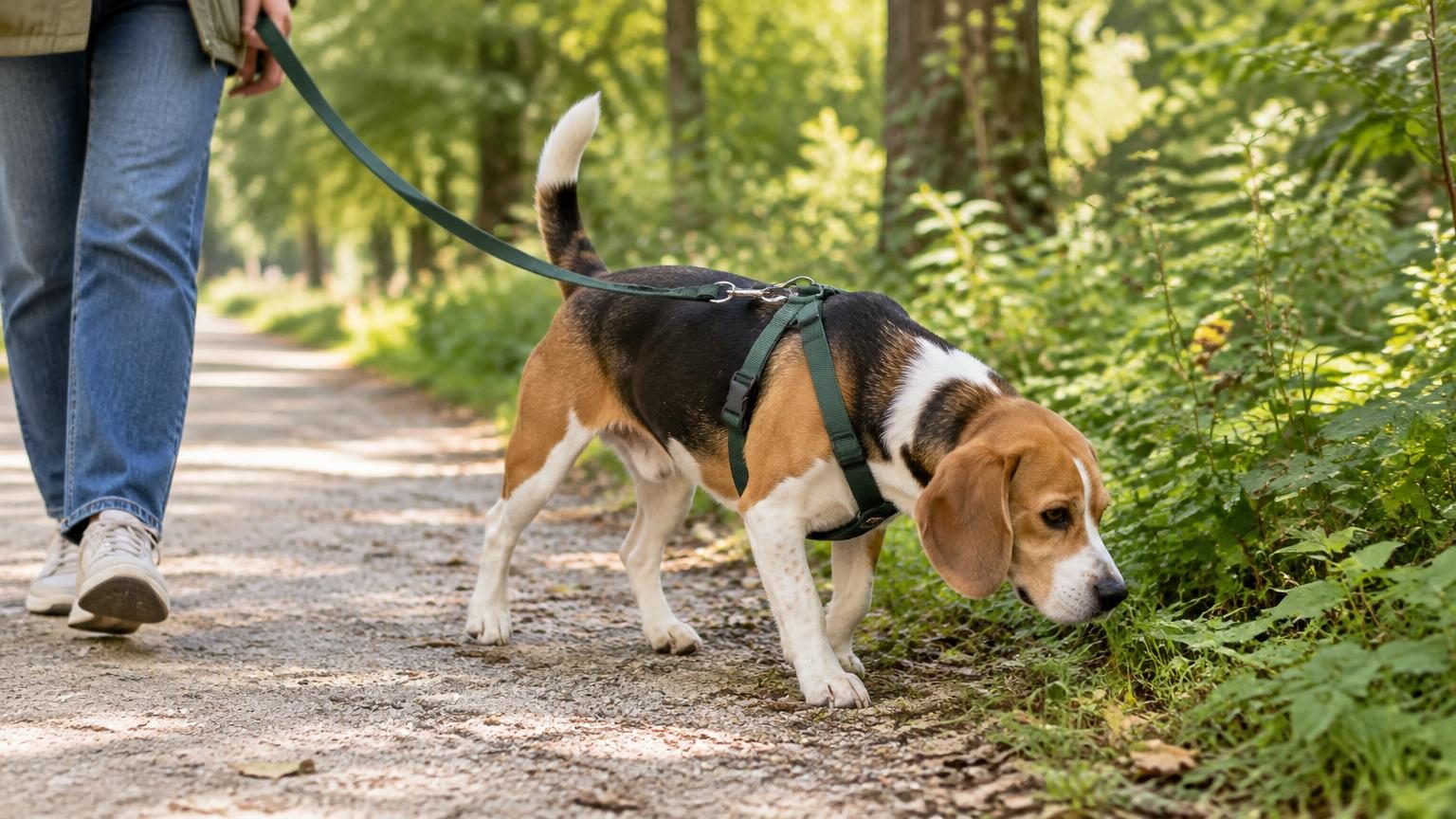
Choose a quiet route where you can allow pauses without blocking people or approaching hazards. Keep your dog on a secure leash near roads and wherever required. Allow investigation of safe areas while preventing access to litter, unknown food, wildlife and unsafe water.
A long line can allow more choice in a suitable open space, but it must be managed carefully. Attach it to a well-fitted harness, not a neck collar; prevent tangles around people and dogs, and do not allow a running dog to hit the end at speed. Never let a scent-led Beagle roam beyond your control. See our harness selection guide for fit checks.
Choose play that allows pauses
Brief toy play, searching for a toy or gentle training can make an ordinary walk varied. Match the surface, pace and type of movement to the dog. Avoid assuming repeated jumping, sharp turns or long runs are necessary because the dog seems enthusiastic.
Pause and see whether your Beagle can disengage and settle. Highly arousing play can make relaxation harder for some dogs, as VCA notes. Stop before play becomes frantic or rough. Do not force interaction with unfamiliar dogs as exercise; a calm walk together at a comfortable distance may be a better option. If using toys, consult our chew toy safety guide and supervise.
Puppies need a different kind of plan
Growing Beagles benefit from opportunities to explore, play and learn, with frequent chances to rest. Avoid presenting a minutes-per-month formula as a guarantee of safety. Ask your veterinary team about appropriate activity, surfaces and social exposure for your puppy’s age, development and vaccination situation.
Let a puppy choose pauses during gentle play rather than making it keep up on a long adult outing. Carry out short learning opportunities in safe settings and end while the puppy is coping. Our puppy training guide covers reward-based learning and safe social experiences. A tired puppy may become bitey or unsettled; that is not automatically a reason to add more exercise.
Adapt for seniors, health conditions and recovery
An older Beagle may still enjoy familiar scents and companionship while needing slower, shorter or differently spaced activity. Changes in gait, reluctance to walk or trouble getting up are reasons for veterinary assessment, not evidence that the dog is simply lazy.
For a dog with a known condition, excess weight, an injury or recent surgery, use the activity plan given by its veterinary team. Do not increase exercise sharply to compensate for food intake or weight concerns. Ask which activities are suitable, what signs to watch for and when to review the plan. Our health concerns guide is an educational overview, not individualized advice.
Weather and surfaces can change the whole outing
Plan around conditions rather than the calendar alone. In warm weather choose cooler times and shaded routes, carry water and avoid surfaces that could burn paws. Humidity, direct sun and your individual dog’s health can make a normally comfortable outing inappropriate.
In cold, wet or slippery conditions shorten or adjust the route and check comfort. There is no single air temperature that makes every walk safe. Never force a reluctant dog to complete a route for the sake of a quota. Breathing difficulty, collapse or suspected overheating need urgent veterinary help; stop activity and contact a vet immediately rather than waiting for the next scheduled visit.
Track response, not just distance
Keep a simple note of the activity, conditions, your dog’s behavior during it and recovery afterwards. A log helps you identify a comfortable pattern and describe changes to your vet. Enthusiasm at the start does not by itself establish that the entire activity was appropriate.
- Before: check equipment, weather and your dog’s usual movement.
- During: allow breaks and watch for slowing, limping or unusual breathing.
- After: offer water and rest; notice stiffness or difficulty settling.
- Review: reduce or stop unsuitable activity and seek advice for new or persistent changes.
Build a routine you can sustain
Choose dependable opportunities that fit your household instead of occasional exhausting adventures followed by inactive days. If conditions prevent a usual outing, offer a safe toilet opportunity and an easy indoor activity where appropriate, then restore ordinary movement when it is suitable.
A good routine supports a Beagle who can explore, move comfortably and rest. It is not a contest to produce the greatest fatigue. If you cannot meet your dog’s needs, consider suitable walking help and discuss unresolved restlessness or changes in stamina with a professional.
Frequently Asked Questions
Is one hour of exercise enough for every Beagle?
No single duration fits every dog. Age, health, fitness, intensity, weather and recovery change what is suitable. Ask your vet for individual guidance rather than treating a breed estimate as a prescription.
Does sniffing count as exercise?
A sniff walk combines movement with exploration, but its physical intensity varies. Include sniffing as part of an activity mix rather than assuming it replaces all other movement.
Should I run with my Beagle puppy?
Do not assume sustained running is appropriate for a growing puppy. Ask your vet about developmental needs and suitable activities; choose gentle exploration and play with rest while you establish a plan.
Why is my Beagle restless after a long outing?
Overarousal, discomfort or difficulty settling are possible explanations. Provide quiet recovery instead of automatically adding more activity, and seek advice for persistent or new problems.
References
Related Articles
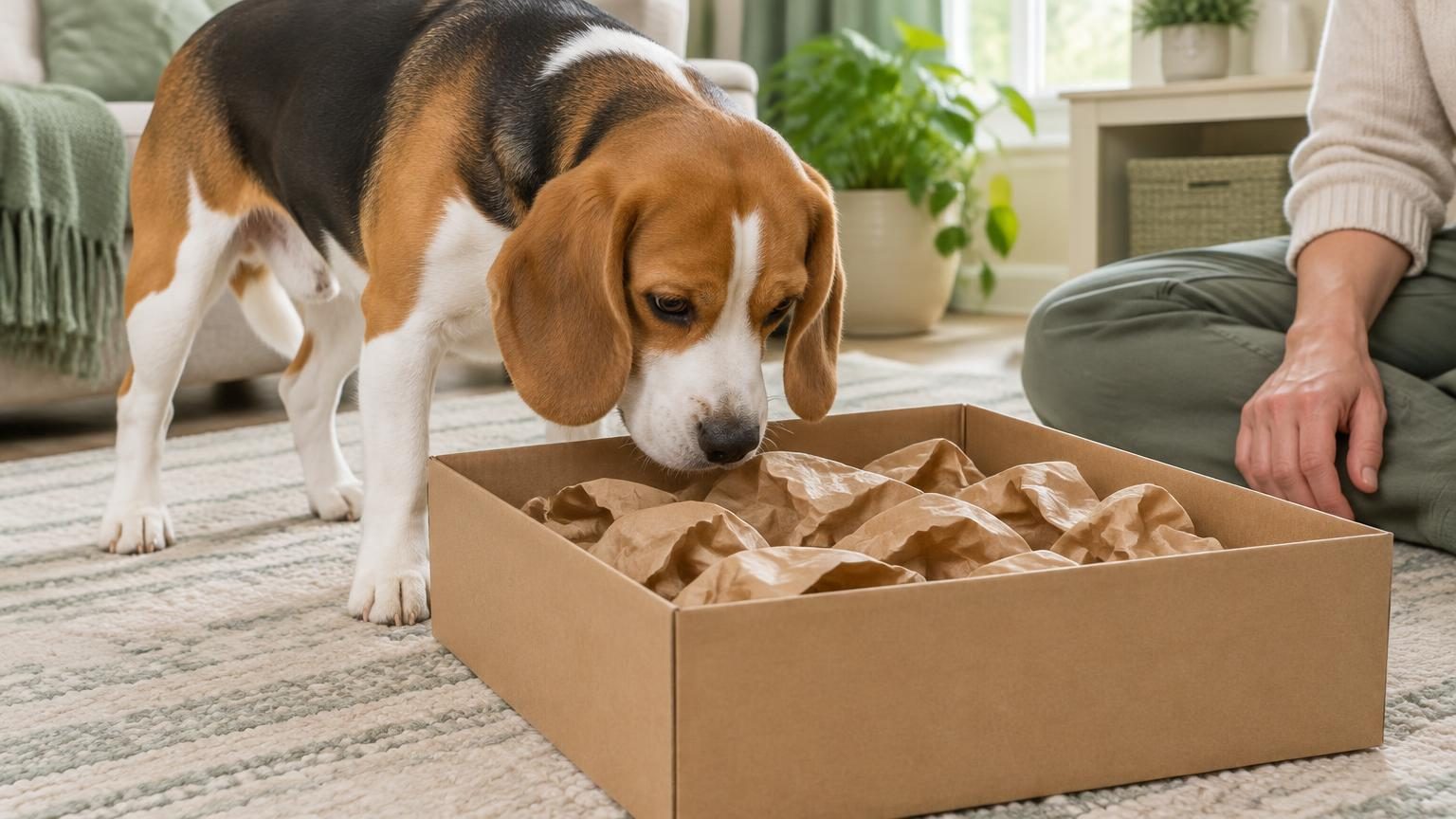
How to Keep Your Beagle Mentally Stimulated
Simple scent games, achievable food puzzles and short training sessions for a curious Beagle—with time to relax between activities.
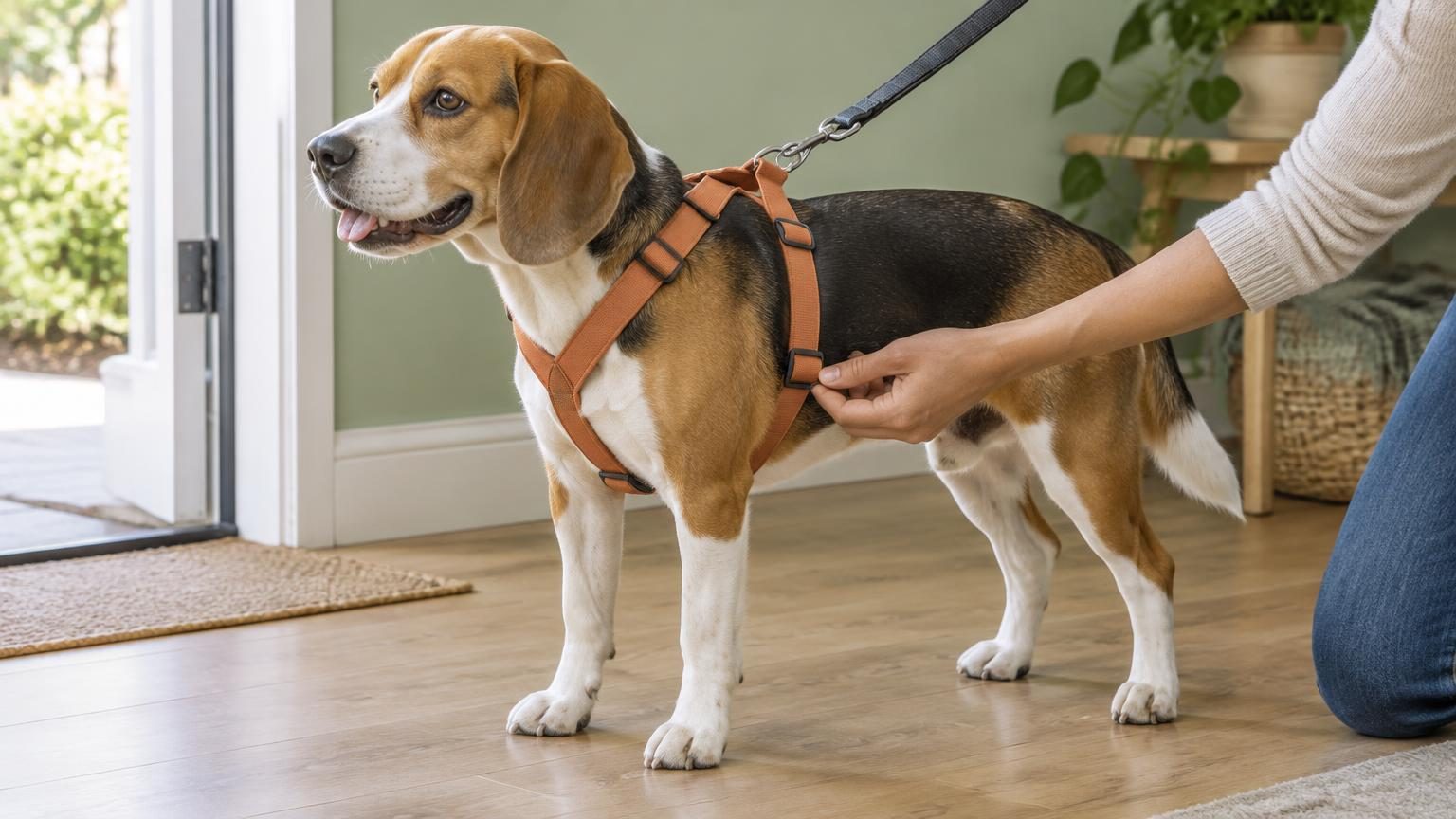
Best Types of Harnesses for Beagles: A Fit and Safety Guide
Compare walking harness features and check fit on a nose-led Beagle, without brand rankings, testing claims or promises that equipment will stop pulling.
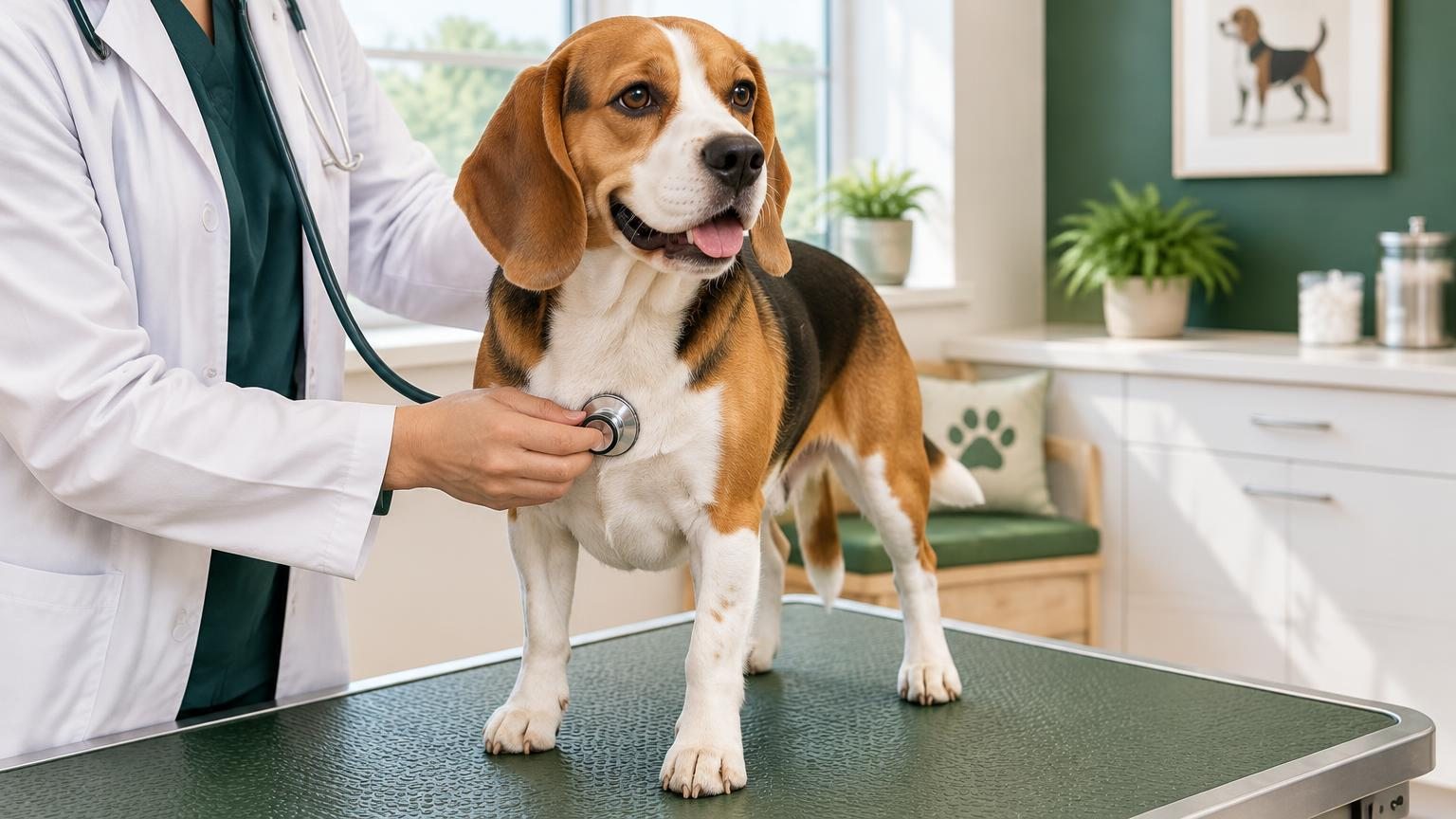
Common Beagle Health Concerns: What Owners Should Notice
Understand health topics discussed for Beagles, keep useful observations and know when veterinary assessment matters, without trying to diagnose your dog at home.